
Port Styles Explained: Ruby, Tawny, LBV, Vintage, and Others
A beginner-friendly guide to the main styles of Port

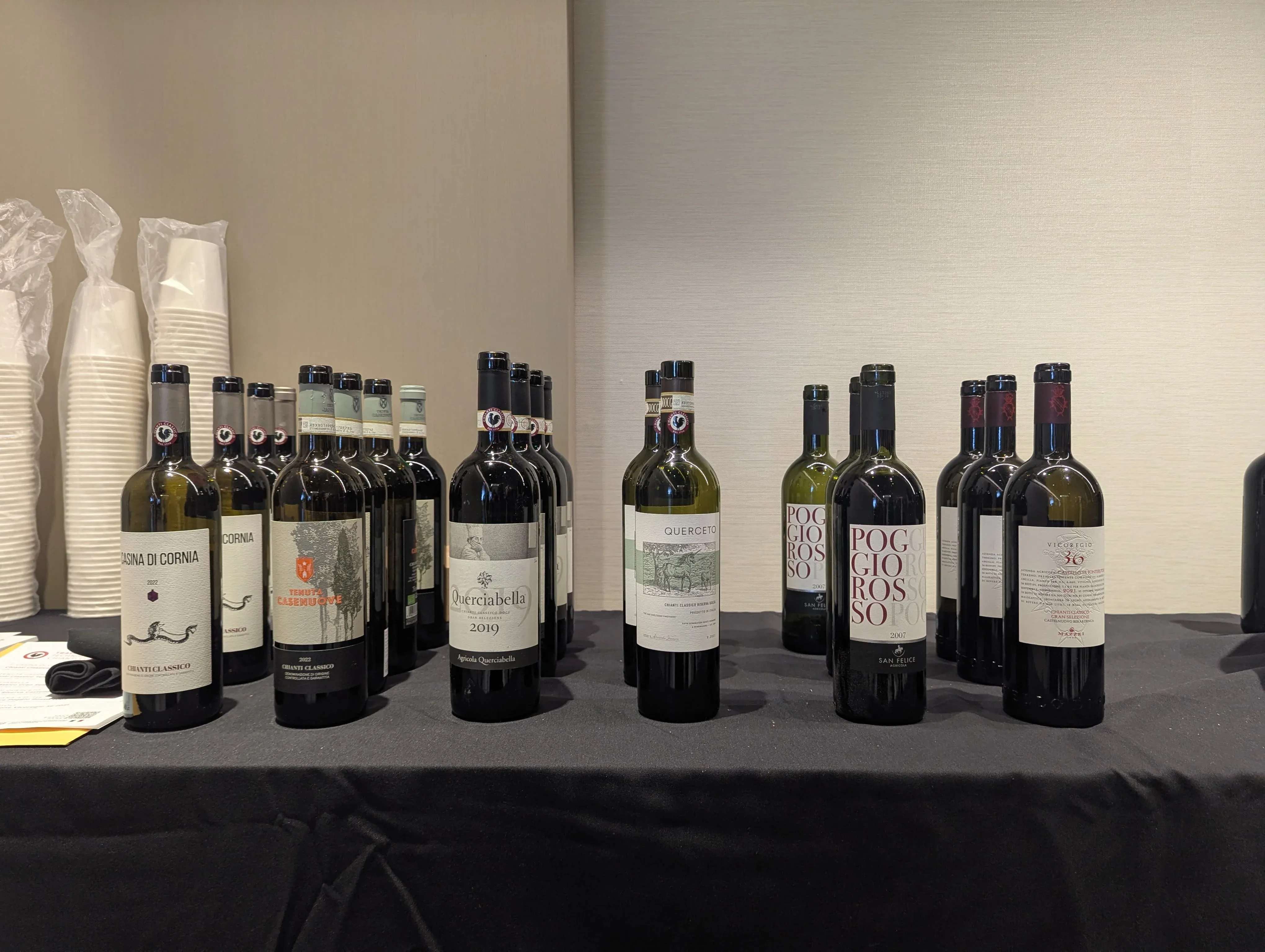
I attended the Chianti Classico tasting event in NY recently, here are some notes from the event:
Chianti Classico has recently been one of the few wine appellations to grow both in dollar value and volume in the U.S. market.
The presenters claim that the growth is driven by three structural factors:
Chianti Classico’s leadership does not treat tradition as fixed.
Instead, the region positions itself at the forefront of Italian appellation evolution, balancing:
The modern style of Chianti Classico is the result of decades of deliberate change:
What this achieved:
The presenters framed grape biotypes as nature experimenting, vs clones as humans choosing a winner.
Increasingly, producers are blending both approaches.
Key considerations:
Climate change is materially affecting Sangiovese:
This has led to:
Cryomaceration is seeing more adoption
Objectives:
Producers are increasingly borrowing ideas from Piedmont (Nebbiolo):
Multiple forces are converging:
As a result, modern Chianti Classico wines are:
Importantly, some producers are intentionally targeting earlier drinkability, marking a clear shift from the historically austere style.
This is a relatively new system of classifying even smaller areas by environmental, climatic, and geological characteristics ↩

A beginner-friendly guide to the main styles of Port

A beginner-friendly guide to the differences between Cava and Champagne, including grapes, style, price, and when to buy each

A beginner-friendly guide to the most important Cava label terms, from Brut Nature and Guarda to Gran Reserva and Paraje Calificado
Comments